Amazon Account Management | PPC • Inventory • Listings

Amazon Tips & Insights

How Amazon works in practice, from fundamentals to scale.
Keyword stuffing is dead. In 2025, Amazon’s COSMO algorithm rewards listings that explain what a product is, who it’s for, and why it matters. This guide walks you through two proven workflows for using AI to create or optimize listings the right way - with detailed prompt templates you can copy and adapt. It’s practical, compliant, and focused on driving visibility and sales.
Amazon’s COSMO system is already reshaping how search works, matching products to shopper intent, not just keywords. Here’s what it really means for your listings, what to change, and what hype to ignore.
On Amazon, packaging is not presentation - it is part of the cost and performance system. Weak packaging increases damage, returns, and fees, and those signals accumulate long before sellers notice the impact. By the time bad reviews appear, the damage has already been priced into the business.
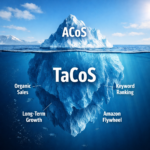
ACoS tells you whether ads look efficient today. TaCoS tells you whether your Amazon business is actually getting healthier as it grows. On a marketplace where ads and organic ranking are structurally linked, the second question matters far more than the first.
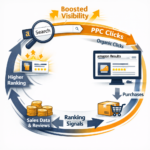
Amazon PPC does not behave like Google or Meta ads because it is not a parallel traffic channel. On Amazon, ads are used to accelerate the feedback loop that determines organic visibility, feeding the same relevance and performance systems that govern ranking. You are not paying for rank directly, but you are paying to describe your product to Amazon faster and more convincingly than organic discovery ever could.
On Amazon, speed is not a bonus, it is the baseline. FBM can work in narrow cases, but for most brands it creates friction the platform does not compensate for. This is why FBA consistently outperforms FBM in visibility, conversion, and growth.
On Amazon, inventory is not a logistics detail but a primary growth constraint. Availability is evaluated regionally and tied directly to delivery speed, meaning low or uneven inventory can remove a product from search and buy box placements for large portions of the country, breaking sales velocity and accelerating ranking decay. Sustained growth requires inventory planning that maintains consistent availability across regions, not just avoiding stockouts.
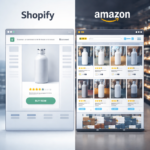
Often DTC brands struggle on Amazon because they treat it like Shopify. This article breaks down the core differences, how Amazon allocates demand, and why consistent execution matters more than marketing creativity.
A practical, budget-friendly PPC launch strategy for real Amazon sellers. Exact-first structure, controlled expansion, and zero wasted spend. Stop guessing, stop burning cash, and launch your ads the way Amazon’s algorithm actually understands.
Amazon PPC is nothing like Google or Meta – it’s a commerce engine, not a traffic engine. Every PPC click and PPC sale directly feeds your organic ranking, which means ads don’t just generate revenue; they teach Amazon what your product is and where it belongs. This fundamentals guide breaks down how ranking really works (CTR → sales velocity → organic rank), the ad types that matter, the metrics you must understand (ROAS, CTR, CVR), and why bid control beats budget fiddling. If you don’t grasp these basics, you’ll make expensive mistakes the moment you launch.
Before you publish a product on Amazon, you need to understand how a listing actually works. This guide breaks down the core sections customers see: Title, bullets, images, description, variations, and reviews - and maps them to the fields you fill out in Seller Central. A clear overview of how to structure a high-converting Amazon product page.
Before you list your product on Amazon, you need to do proper research. This article covers how to analyze competitors, check real demand, dig into keyword data, and sanity-check PPC costs with a leather duffle bag as the running example. You should always do the proper research before launching any product on Amazon. This guide gives you the foundation for how to do it.
Selling on Amazon isn’t complicated, but it is unforgiving. Before you create your first listing, you need to understand five essentials: FBA vs. FBM, how fees really work, the hidden cost of placement, why trademarks matter, and how to test your listing with a dummy draft. Skipping these steps can kill your margins, suppress your listing, or leave you with unsellable stock. This guide walks you through the groundwork that protects your brand and keeps your first product from turning into an expensive mistake.